
Martin Logan
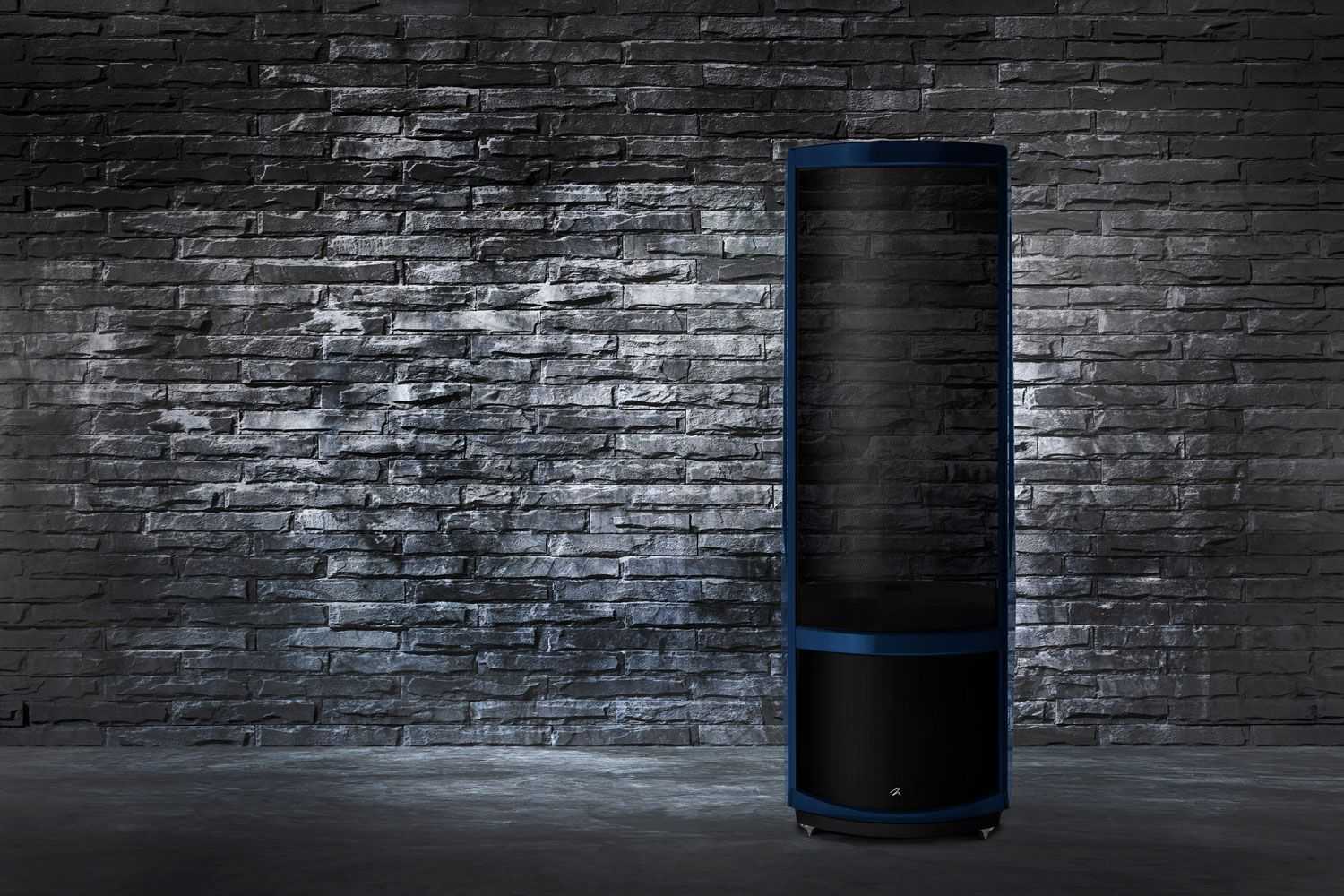
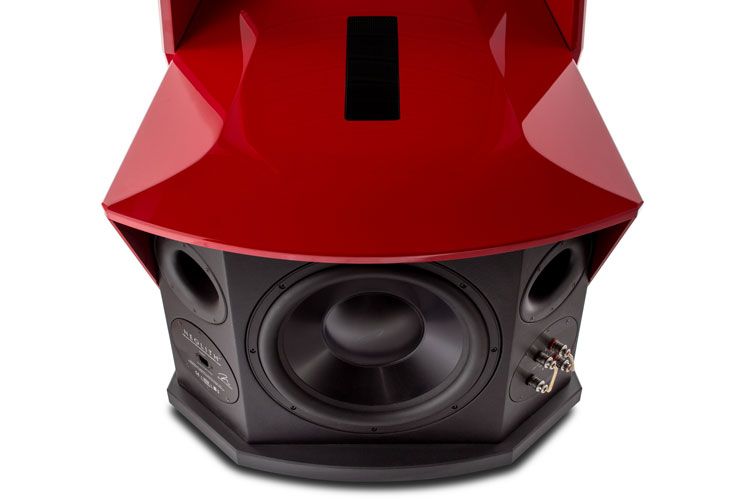
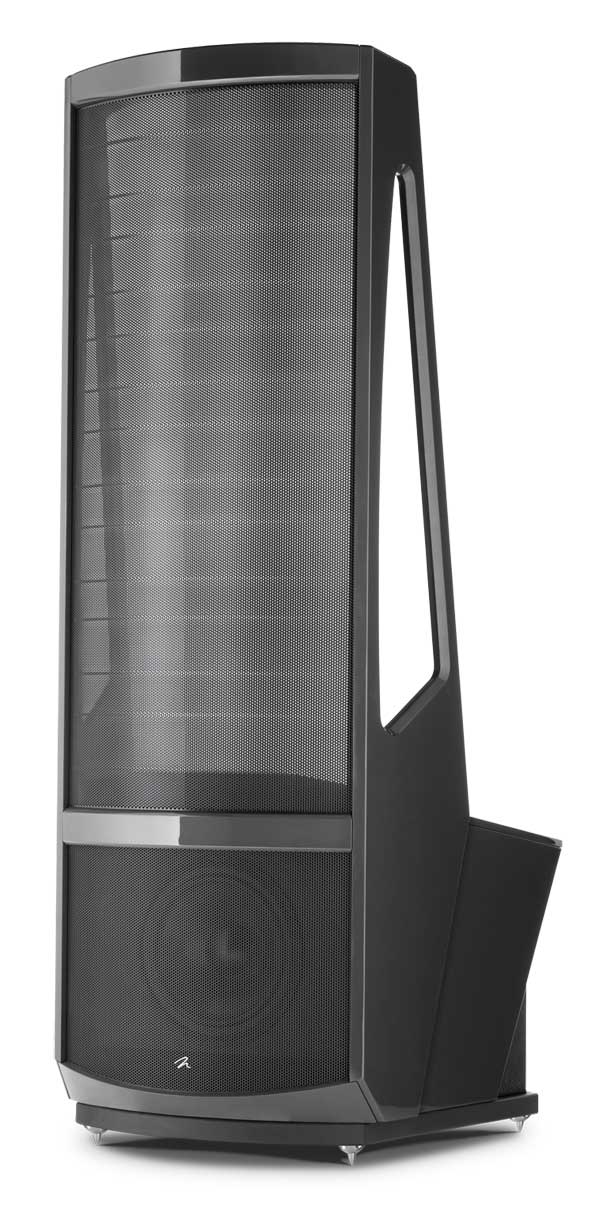
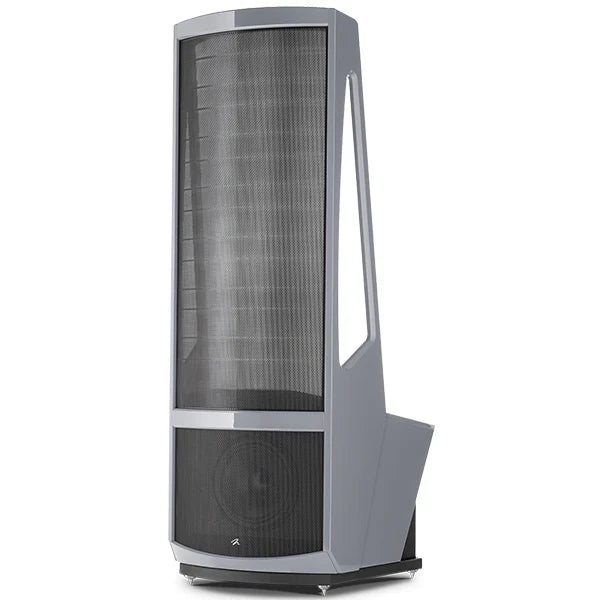
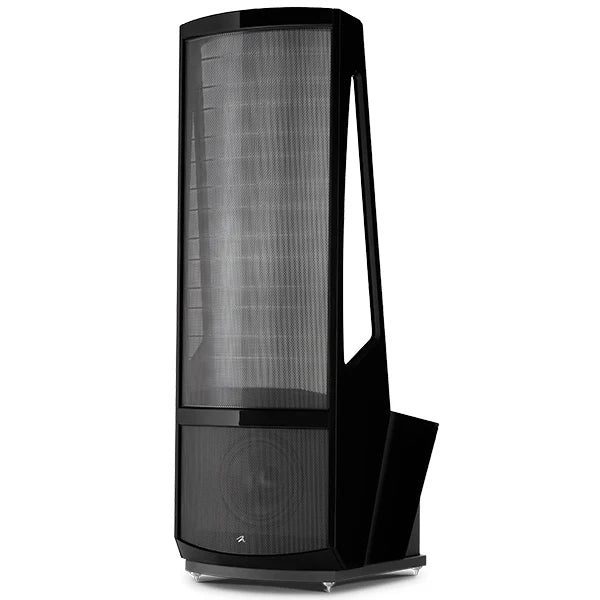
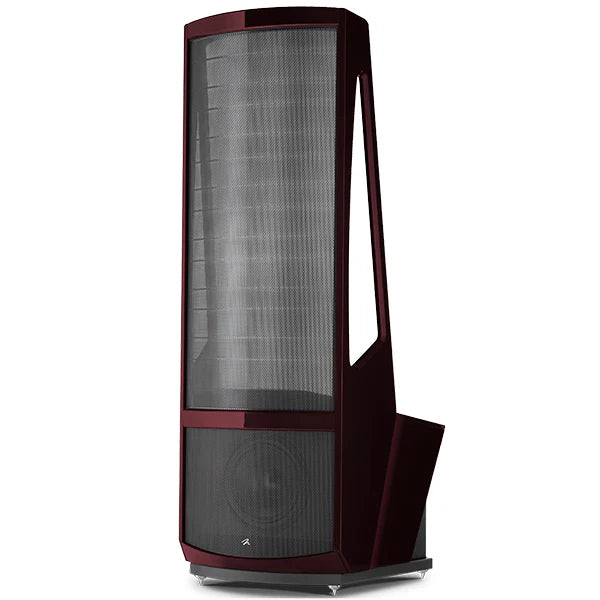
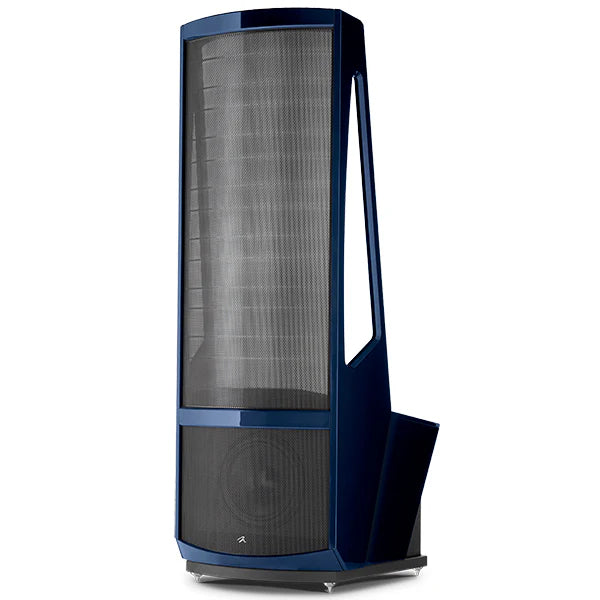
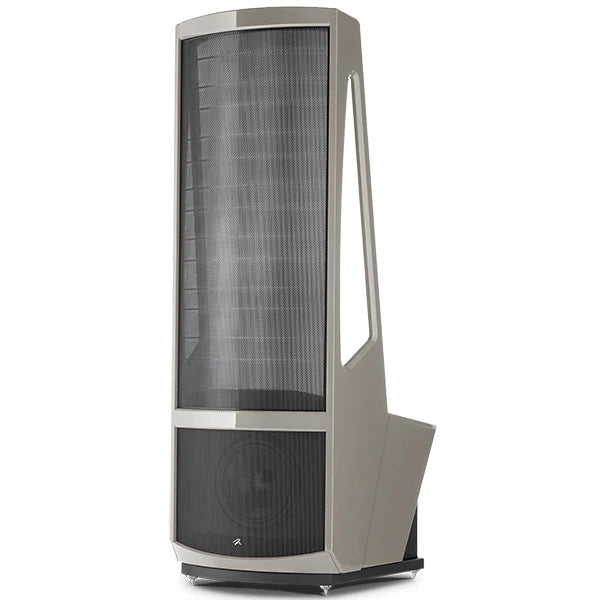
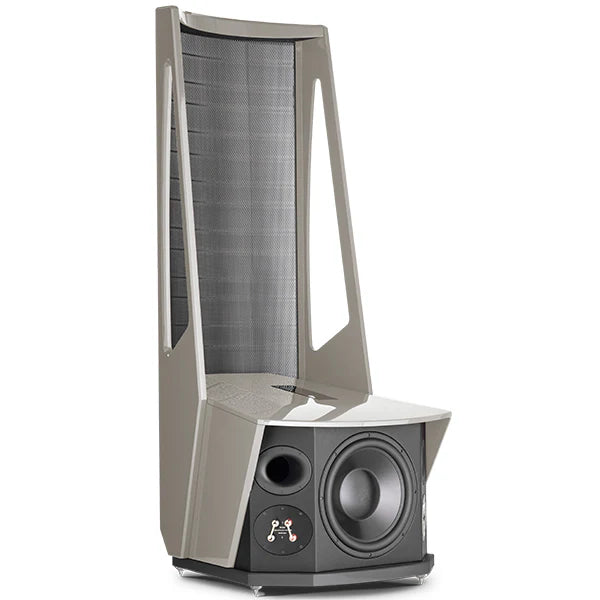
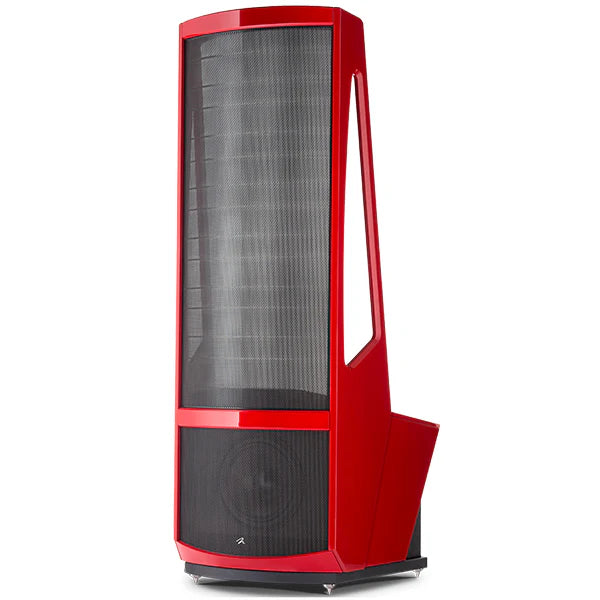
Martin Logan Neolith - MASTERPIECE SERIES - Floorstanding Speakers
Electrostatic truth
MartinLogan didn't invent electrostatic transducer technology. But by eliminating the perceived shortcomings of electrostatic technology, such as poor power handling, lack of bass response, and narrow soundstage (beaming), MartinLogan has reinforced the advantages of electrostatic technology: incredible audio accuracy.
An electrostatic transducer has three components—stators, a diaphragm, and spars (non-conductive spacers that hold the assembly in place)—assembled like a sandwich. The diaphragm is an ultra-lightweight film impregnated with an electrically conductive material and stretched between two stators, which are perforated steel sheets coated with an insulator.
When the speaker is operating, the diaphragm is charged with a fixed positive voltage electrostatic field. The two stators, between which the diaphragm is stretched, are charged with voltages of equal strength but opposite polarity. These charges occur in instantaneous alternating pulses based on the signal received from the audio equipment. When the charge on one stator is positive, the charge on the other is negative. Since like charges repel and opposite charges attract, the diaphragm's constant positive charge will force it to move forward or backward depending on the stator's charges. With this movement, an electrostatic transducer translates an electrical audio signal into the movement of the diaphragm, producing sound waves in the room.
MartinLogan's innovative Curvilinear Line Source (CLS) electrostatic panel design is an elegant solution to the impression of "beaming" sound from an electrostatic panel. MartinLogan CLS electrostatic panels feature a subtle horizontal curve. This ingeniously simple innovation radically alters the speaker's dispersion pattern, radiating a wide, enveloping soundstage rich in detail; truly unlike any other loudspeaker experience.
Another key attribute of an electrostatic speaker is its dipole radiation pattern. A true dipole speaker radiates equally from the front and back of its diaphragm, with the outputs in opposite phase. Consequently, sound waves propagating toward the sides meet at the speaker's edge and cancel each other out, minimizing sidewall reflections with short relative arrival times. This reduction in lateral output minimizes sidewall reflections that can disrupt imaging. It frees the dipole radiation pattern to produce a generous amount of late reflections that enrich the room from the wall behind the speakers. At the same time, electrostatic panels maintain a relatively narrow vertical dispersion, which minimizes floor and ceiling reflections.
Neolith is the pinnacle of electrostatic performance, combining these innovations in a new design. Delivering an undiluted soundstage with excellent separation, Neolith brings music and film scores to astonishingly accurate three-dimensional life.
Choose options
The love of good music
Who we are
We chose this business out of passion, and we continue it with passion. Our experience in music reproduction and live music constantly guides us in the choices we make regarding the products we select for you.